Non-Ferrous Metal Spur & Helical Gears About
Non-Ferrous Metal Spur & Helical Gears :
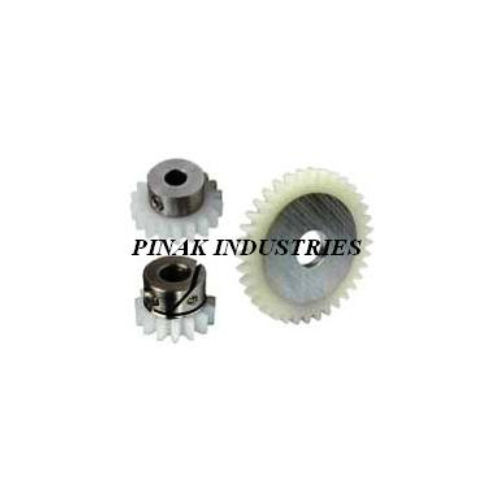
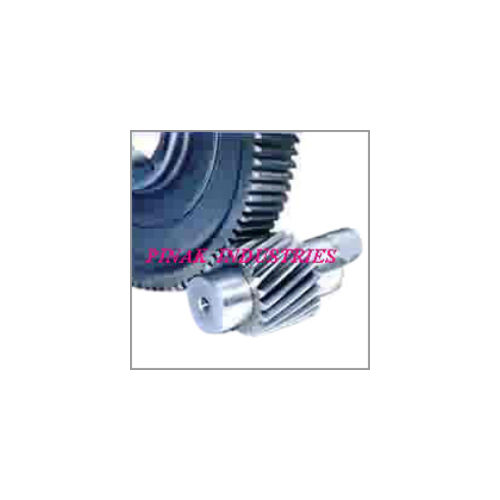
Our company offers its rugged and corrosion resistant range of Non-Ferrous Metal Spur & Helical Gears that is made in such a way that it absorbs shock and vibration.
High-Efficiency Precision GearsOur gears utilize advanced machining techniques to produce consistent, high-quality spur and helical profiles. Delivering up to 97% efficiency, they maximize output while minimizing energy loss, making them suitable for demanding industrial environments requiring reliable power transmission.
Versatility in Industrial ApplicationsWith rated power capacities up to 10 kW and output torque up to 200 Nm, these gears accommodate a wide range of machinery. Whether used in conveyor systems, automation equipment, or precision power drives, their robust non-ferrous metal construction ensures durability and performance.
FAQs of Non-Ferrous Metal Spur & Helical Gears:
Q: How are Non-Ferrous Metal Spur & Helical Gears manufactured for precision?
A: These gears are produced using advanced precision machining techniques that ensure accurate gear tooth profiles, resulting in smooth operation, minimal noise, and high durability across industrial applications.
Q: What distinguishes spur from helical gear tooth profiles in these gears?
A: Spur gears feature straight teeth and are ideal for simple parallel axis transmissions, while helical gears have angled teeth that provide quieter operation, smoother engagement, and higher load-carrying capacity.
Q: When should you choose a non-ferrous metal gear over a ferrous one?
A: Non-ferrous metal gears are preferable when corrosion resistance, reduced weight, and improved thermal conductivity are required, such as in food processing, chemical, or offshore equipment.
Q: Where can these gears be used in industrial settings?
A: These gears are designed for machinery that demands high efficiency and reliability, including conveyor systems, automation devices, power transmission units, and robotics, across sectors like manufacturing and material handling.
Q: What is the process for selecting the correct gear specification?
A: Selection involves understanding application needssuch as required torque, power rating, speed, and gear arrangementthen matching these needs to gear design parameters for optimal performance and longevity.
Q: How does using precision-machined gears benefit industrial operations?
A: Precision machining ensures consistent tooth profiles, enhancing gear performance with reduced vibration, higher efficiency, longer life span, and minimal maintenance requirements.



 Chat with us


 Send Inquiry

 Send Inquiry
 Send Inquiry
 Send SMS
 Call Me Free